

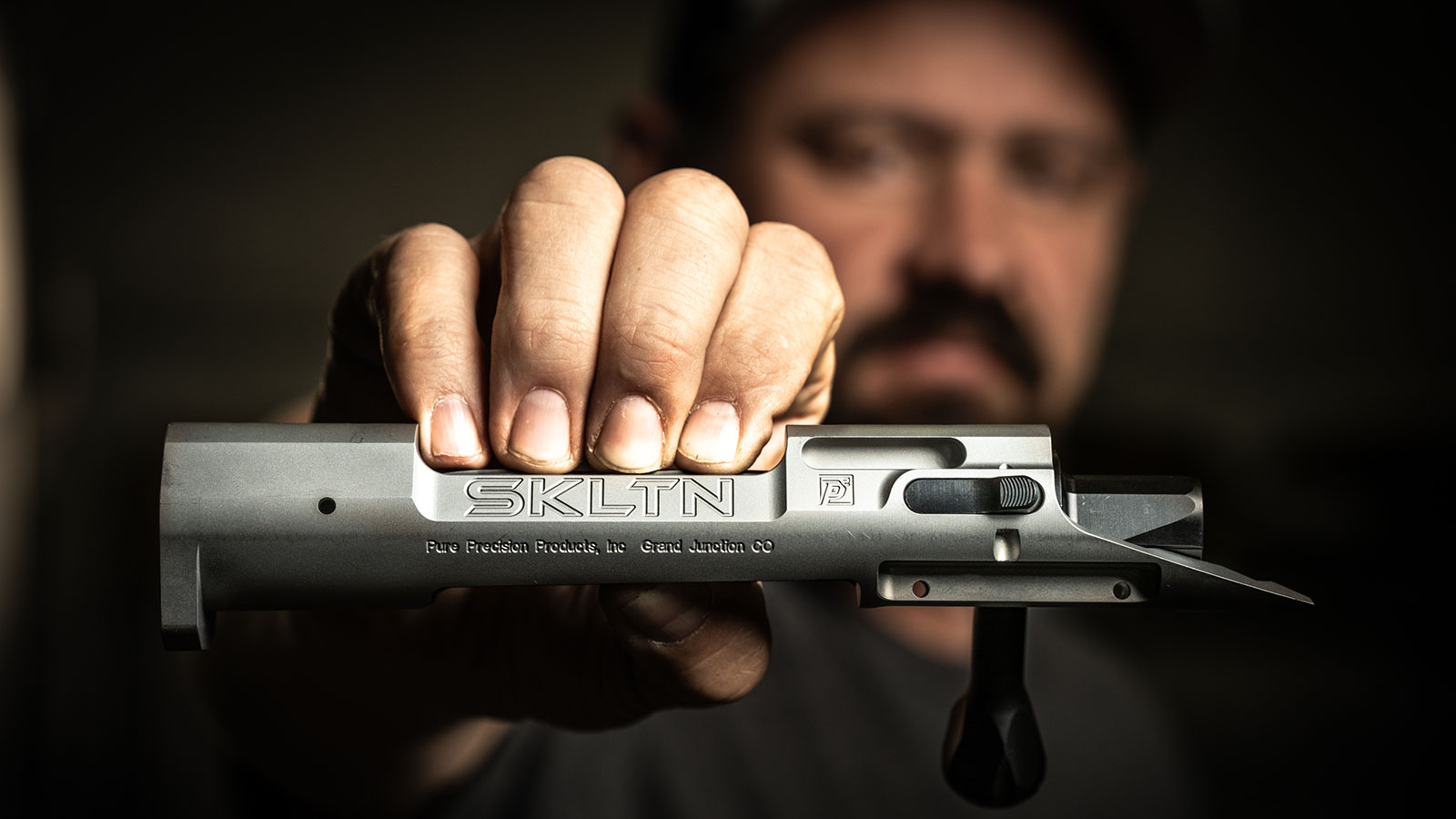
What makes the perfect bolt action? It’s a very subjective question and it’s often the preferences of the user that drives the conversation. There are some attributes that are mandatory in any action, like the receiver’s face being perfectly perpendicular to the raceway. Other “features” are shooter preferences, like a 90, 75, or 60 degree bolt throw or maybe an anti-bind rail or not. A lot of these features come at the cost of more complicated machining which ends up costing more, or having a heavier bolt lift in the case of a shorter bolt throw.
As a student of anything related to precision rifles, I’m always interested in what goes into designing and manufacturing the highly precise pieces of equipment I’m using. With my current interest in lightweight precision rifles, I was very excited to be able to follow the development of the SKLTN action from Pure Precision Rifles (formerly Mesa Precision Arms) and to be able to interview the designers.
The following interview is with Landon Gines, a long time rifle builder and now designer at Pure Precision Rifles. In this 20-minute conversation, he shares his opinions about action design, the must have features, materials, and tolerances, along with the pros and cons of different design characteristics. Watch the video below and join the conversation in the comments.
For more information about the SKLTN action please visit PurePrecision.com
Interview summary: precision, reliability, and personal preference
These takeaways reflect the October 2023 interview with Landon Gines. They describe his design priorities at the time, rather than a current specification sheet or an independent product test.
Gines describes action design as a series of compromises. Manufacturing consistency matters, but so do dependable operation, weight, feel, and the expectations of the person using the finished rifle. His explanation separates essential performance from features that are largely a matter of preference.
Consistency does not mean making everything tighter
Gines places repeatability near the top of his priorities. At the same time, he explains why an action must tolerate the dirt and debris encountered outside a clean workshop. His point is that precision and practical reliability have to be considered together.
The following discussion of manufacturing consistency reinforces that idea: the behavior of the complete assembly depends on how its parts relate, rather than on a single impressive measurement. The interview provides a designer’s perspective on those challenges.
A shorter bolt throw has a tradeoff
Mike asks about the growing interest in shorter bolt throws. Gines describes the relationship between the movement of the handle and the effort felt by the user. Both speakers appreciate additional clearance near the optic, while acknowledging that a preference for one feel does not make every other approach wrong.
Materials change the experience
The materials conversation contrasts priorities such as weight, corrosion resistance, cost, and smoothness. Gines discusses why someone focused on minimum weight may accept a different feel. He does not present one material as the answer to every use.
What Gines valued in the SKLTN project
Asked about the project itself, Gines emphasizes weight reduction without sacrificing the qualities he wanted to preserve. He is especially proud of the smooth closing feel. The rest of the discussion shows how much attention can go into details that a brief specification list does not communicate.
How to interpret the closing advice
At 18:39, the conversation compares custom and production rifles. Gines favors the custom approach based on his professional experience. His cost and resale comments should be read as views expressed in this historical interview, not guaranteed outcomes for a present-day purchase.
The broader takeaway is to distinguish repeatable manufacturing quality, reliability, and personal preferences when reading product claims. For another perspective on equipment spending, see our Marcus Blanchard interview.
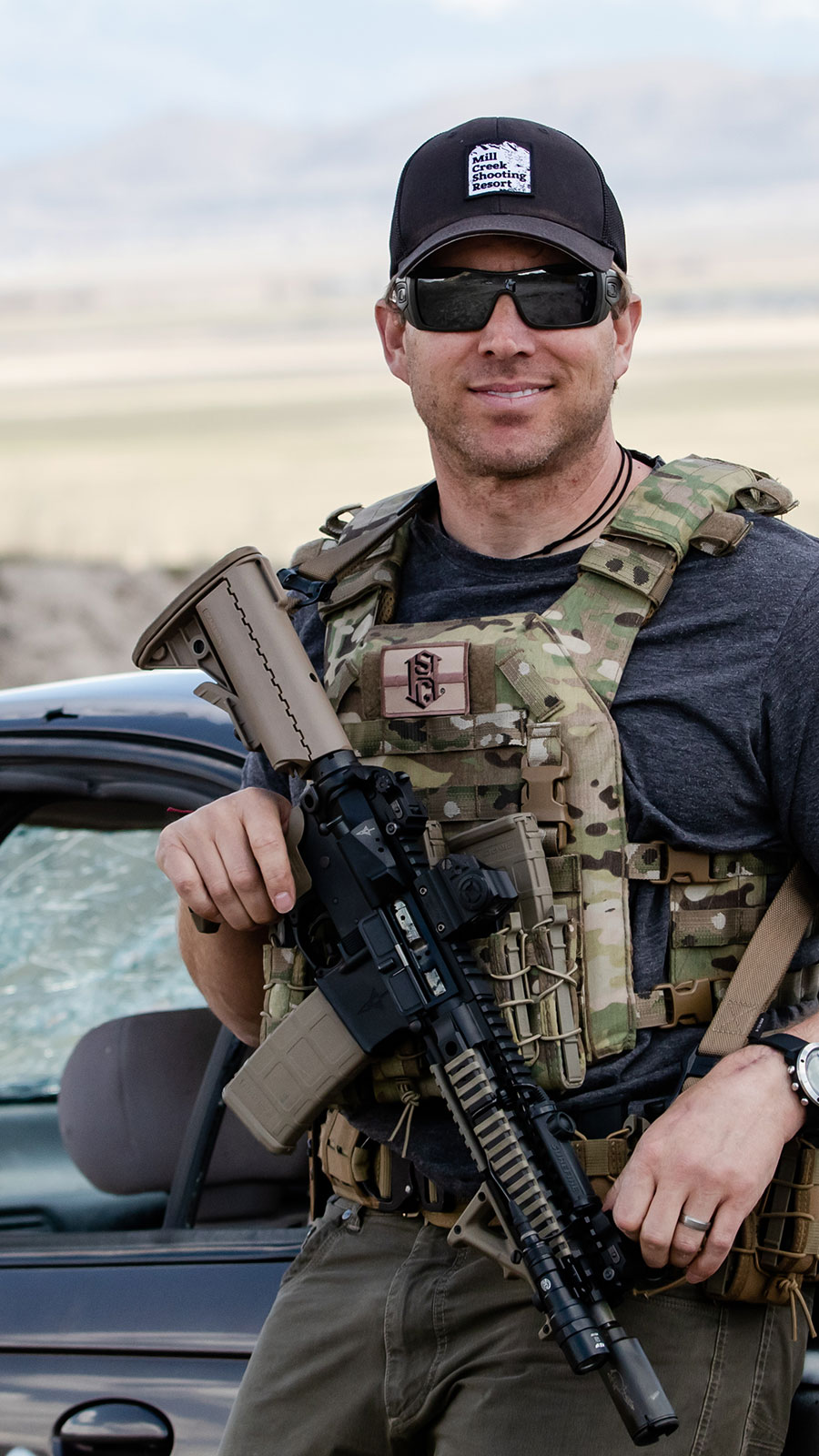
Mike Semanoff is the writer behind Shooter Opinions, sharing firsthand firearm and outdoor gear reviews, hunting experiences, range reports, and industry interviews. A U.S. Army veteran who served in the 82nd Airborne Division, Mike draws on military experience and time in the field to discuss performance, comfort, durability, and practical tradeoffs. His reviews combine personal observations with photos and videos of the gear in use. Some articles contain affiliate links; qualifying purchases may earn Shooter Opinions a commission.