

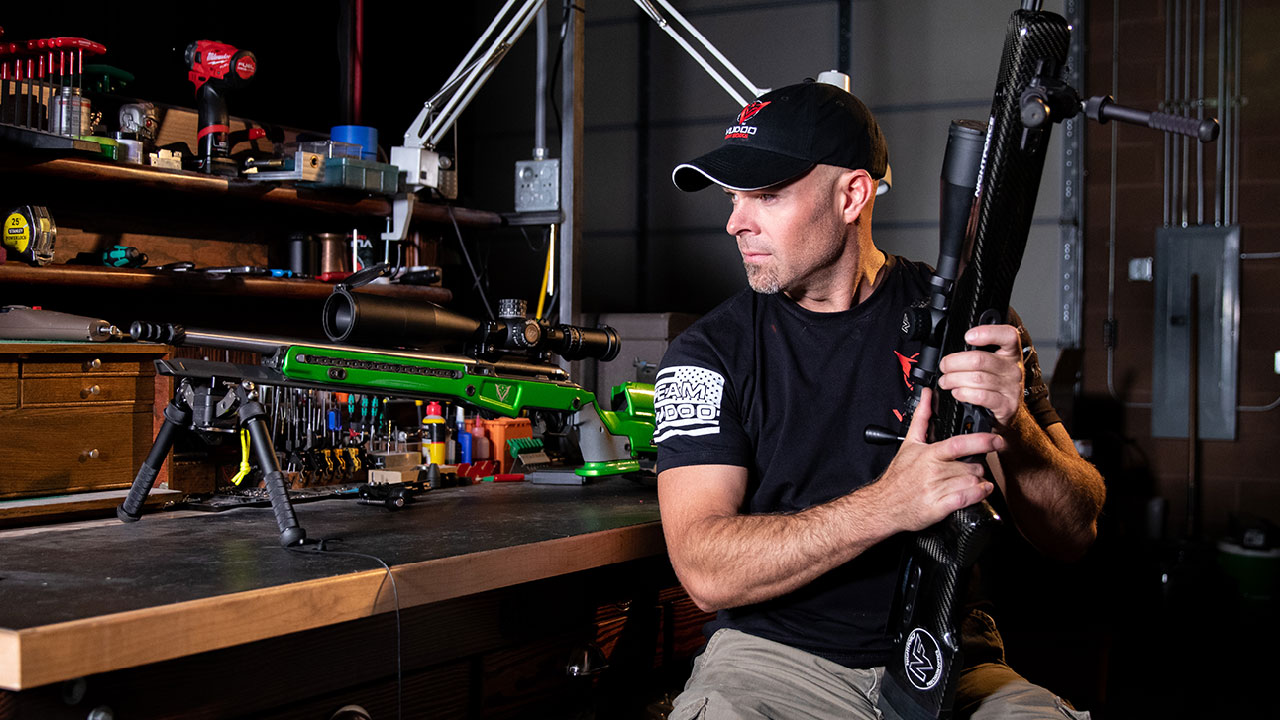
Fueled by the popularity the PRS and NRL, precision 22lr competitions have sprung up all over the USA. These precision 22lr competitions are a convenient alternative to the centerfire counterpart and offer valuable training for traditional matches. New shooters, young enthusiasts, and seasoned vets are all coming together to participate in this new precision rifle game.
If you spend any time around the NRL 22 competition series you will see a common thread among the top shooters, Vudoo Gun Works. Vudoo Gun Works is a US based company that has quickly become the industry leader in the precision 22lr game. The V22 has changed what the industry thought possible with the 22lr and has literally spawned a flurry of innovation related to precision 22lr. Ammo and optics companies are adjusting their product lines to better serve this rapidly evolving market. A large part of this innovation has been driven by the Vudoo Gun Works products.
In the video below, Andrew Workman gives us insights into all things related to precision 22 rimfire and how we can maximize our rifle performance. As a precision .22lr competitor, match director, and Director of Ops at Vudoo Gun Works, Andrew has been immerced in all things related to precision 22lr and is one of the most experienced individuals in the field. Check it out and then subscribe to our channel.
Interview summary: why precision rimfire grew
This summary accompanies the interview published in June 2019 with Andrew Workman of Vudoo Gun Works. Equipment references, competition observations, and predictions reflect that conversation.
Workman explains that his interest in precision rimfire began with access: he wanted to participate in precision rifle shooting but did not have convenient places to use a centerfire rifle at longer distances. Rimfire offered a way to take part locally, and he eventually began organizing matches. That community perspective runs through a conversation that also covers ammunition, equipment, and engineering.
Consistency matters more than a universal ammunition answer
Workman cautions against assuming that every rifle will perform identically with the same ammunition. He describes differences between individual barrels and discusses consistency as a central concern. Later, he notes that the most expensive option is not necessarily the most popular among the customers he knows.
His comments are tied to the products and experience he was discussing in 2019. They are not a universal ranking of ammunition or a guarantee about another rifle.
What the barrel-length discussion actually establishes
Mike asks whether length alone determines precision. Workman contrasts theories he had heard with observations from testing at the shop. He describes results that did not support a simple assumption that longer always meant more accurate.
The important qualification is the scope of that evidence: he is discussing particular testing and his own products. The conversation is useful because it separates observations from theories, not because it supplies a rule for every rimfire barrel.
Accessibility and the appeal of a trainer
Workman sees rimfire as an economical way to spend more time at an accessible range. He also values familiar equipment ergonomics. He acknowledges that rimfire and centerfire are not identical, while explaining why the convenience and cost can make regular participation easier.
That helps explain the appeal beyond equipment specifications. A format that is easier to access can bring more people into a local club and give existing participants more opportunities to practice.
Engineering and equipment choices in context
The engineering discussion focuses on consistency and the challenges posed by rimfire ammunition. Workman explains the priorities behind Vudoo’s approach as a company representative; the interview does not independently test those claims against competing designs.
He then shows two personal rifles with different roles. One emphasizes stability for long-range use, while another places more importance on weight and balance for other matches. His optics discussion similarly connects features to the application. The comparison is useful as an example of differing priorities, rather than a single ideal equipment list.
Maintenance and the outlook in 2019
Watch maintenance discussion from 34:13 · Watch the outlook from 37:43
Workman discusses how residue and changing performance influence his approach to maintenance. His remarks concern the equipment described in the interview and should be understood alongside the manufacturer’s instructions for a particular product.
When looking ahead, he expects further development in ammunition and equipment as the sport grows. Those remarks capture his expectations in 2019, rather than reporting what happened afterward.
His first recommendation for a newcomer: meet the community
Workman’s closing advice is to visit a local match, introduce yourself, and ask questions before buying equipment. He describes competitors who are enthusiastic about helping newcomers understand the sport and see different setups.
He also rejects the idea that participation has to become an equipment spending contest. Learning what the local matches involve and gaining experience can come before expensive upgrades. That makes the closing section especially useful for someone curious about the sport but unsure where to begin.
For a complementary conversation about budgets, reliability, and learning before upgrading, read the Marcus Blanchard interview summary.
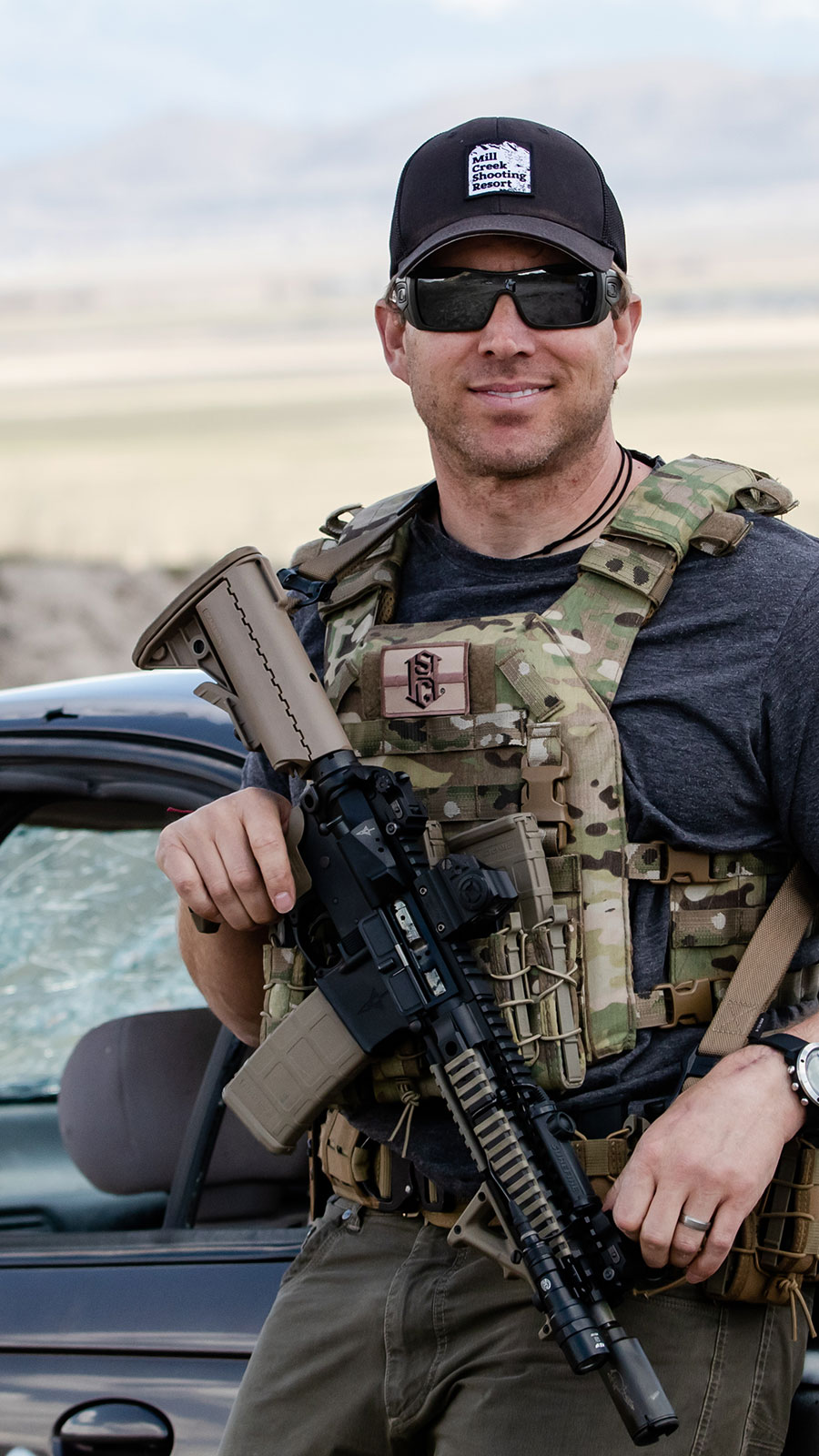
Mike Semanoff is the writer behind Shooter Opinions, sharing firsthand firearm and outdoor gear reviews, hunting experiences, range reports, and industry interviews. A U.S. Army veteran who served in the 82nd Airborne Division, Mike draws on military experience and time in the field to discuss performance, comfort, durability, and practical tradeoffs. His reviews combine personal observations with photos and videos of the gear in use. Some articles contain affiliate links; qualifying purchases may earn Shooter Opinions a commission.